










Wild Bergamot - Hudson Valley Seed Co
Regular price
$5.25
In midsummer, this native wildflower graces the landscape with its light lavender blossoms, offering nectar to bees, butterflies, and hummingbirds. It is an important and beloved native plant that signals a healthy and diverse Northeast meadow ecosystem—and a field aglow in the classic pink tone is a glorious sight to behold.
To humans, Wild Bergamot, also known as Bee Balm, provides food and medicine. Its leaves and flowers are highly aromatic and spicy, like Greek oregano, and are used similarly. Sip teas made from the leaves and flowers, or add them to sauces, soups, and salads. Make tinctures to support the upper respiratory system. Or, most simply, toss the lovely tubular flowers onto any dish.
Growing instructionBroadcast Wild Bergamot outside about 8 weeks before the first fall frost, or surface sow indoors 4-6 weeks before last frost and gently press the seeds into the soil, then transplant seedlings outside in spring or summer, 6-8 weeks later. Plants usually do not produce flowers until their second year. Leaves and foliage are edible, and make a delicious tea.
Broadcast Wild Bergamot outside about 8 weeks before the first fall frost, or surface sow indoors 4-6 weeks before last frost and gently press the seeds into the soil, then transplant seedlings outside in spring or summer, 6-8 weeks later. Plants usually do not produce flowers until their second year. Leaves and foliage are edible, and make a delicious tea.
| Days to Maturity | 365 days |
|---|---|
| Days to Germination | 5-25 days |
| Width at Maturity | 12" |
| Height at Maturity | 48" |
| Hardiness Zone Range | 4 5 6 7 8 |
| Sun Conditions | Full Sun (8+ Hours Sun) |
| Planting Depth | Surface |
Regular price
$5.25
In midsummer, this native wildflower graces the landscape with its light lavender blossoms, offering nectar to bees, butterflies, and hummingbirds. It is an important and beloved native plant that signals a healthy and diverse Northeast meadow ecosystem—and a field aglow in the classic pink tone is a glorious sight to behold.
To humans, Wild Bergamot, also known as Bee Balm, provides food and medicine. Its leaves and flowers are highly aromatic and spicy, like Greek oregano, and are used similarly. Sip teas made from the leaves and flowers, or add them to sauces, soups, and salads. Make tinctures to support the upper respiratory system. Or, most simply, toss the lovely tubular flowers onto any dish.
Growing instructionBroadcast Wild Bergamot outside about 8 weeks before the first fall frost, or surface sow indoors 4-6 weeks before last frost and gently press the seeds into the soil, then transplant seedlings outside in spring or summer, 6-8 weeks later. Plants usually do not produce flowers until their second year. Leaves and foliage are edible, and make a delicious tea.
Broadcast Wild Bergamot outside about 8 weeks before the first fall frost, or surface sow indoors 4-6 weeks before last frost and gently press the seeds into the soil, then transplant seedlings outside in spring or summer, 6-8 weeks later. Plants usually do not produce flowers until their second year. Leaves and foliage are edible, and make a delicious tea.
| Days to Maturity | 365 days |
|---|---|
| Days to Germination | 5-25 days |
| Width at Maturity | 12" |
| Height at Maturity | 48" |
| Hardiness Zone Range | 4 5 6 7 8 |
| Sun Conditions | Full Sun (8+ Hours Sun) |
| Planting Depth | Surface |










WE'RE ON A MISSION...
Real Beekeepers. Real Honey. Taste The Difference.
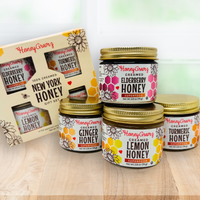
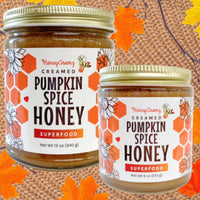
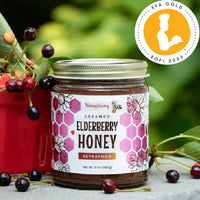
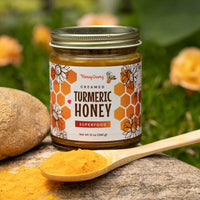
My beekeeping journey began over 12 years ago with my oldest daughter begging for a dog, which led us to getting baby chickens instead, then honey bees were added to our urban backyard farm and the rest is history. We're urban NYC beekeepers with a mission to help save the bees and other pollinators by donating to organizations that help save the bees and establish local pollinator gardens. Bees have been declining at an alarming rate which can impact the global food supply as bees are essential in pollination. Our honey is pure and raw and sourced from either our own local hives or small apiaries, like us, from around the country. We believe in sustainable beekeeping, supporting small local beekeepers who in turn work with small local family farms to help pollinate their crops and bring you real, delicious honey.
Ruth - Queen Bee